
In today’s digital age, information is more accessible than ever before. From ancient manuscripts to modern scientific data, digital representation has revolutionized the way we preserve, share, and interact with knowledge. But while digitization offers numerous benefits, it also presents some challenges. Let’s explore the advantages and limitations of digital representation in both historical and modern contexts.
Physical documents, artifacts, and historical records degrade over time. Paper can fade, film deteriorates, and ancient texts can be lost to natural disasters. Digital representation allows us to preserve these materials indefinitely, ensuring they remain intact for future generations.
Digitization breaks down barriers to information. Whether you’re a student researching medieval history or a scientist analyzing climate data, digital archives make it possible to access records from anywhere in the world. No need for expensive travel to a distant library; history is now just a click away.
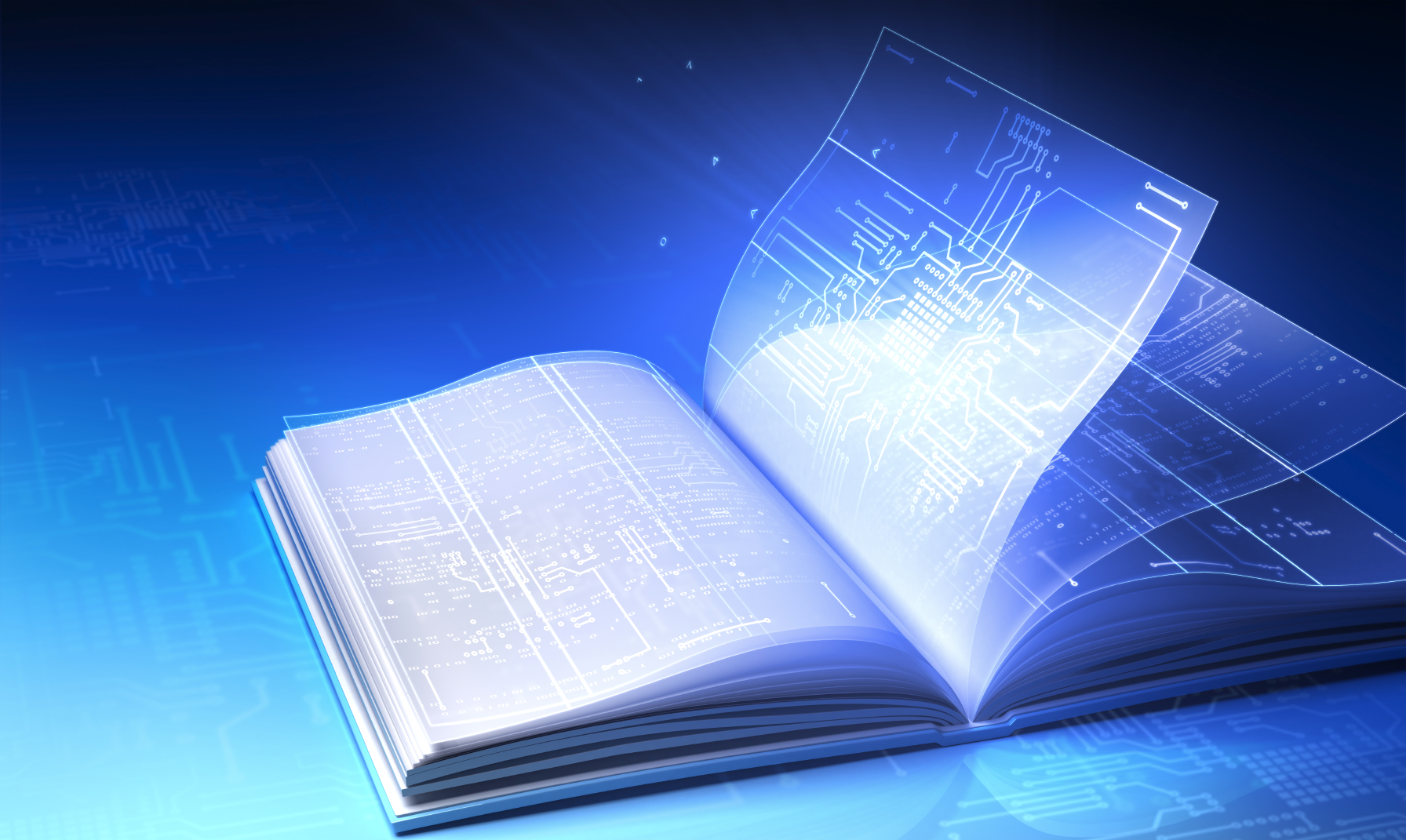
Advancements in augmented and virtual reality have also taken digital representation to the next level. Imagine walking through a virtual recreation of ancient Rome or exploring a 3D model of a historical artifact from your living room. Digital tools enhance learning and engagement like never before.
Unlike physical copies, digital information can be duplicated and distributed without loss of quality. This allows historical records, books, and research papers to be shared with a global audience, promoting education and knowledge distribution.

One of the biggest challenges of digital data is its vulnerability to alteration. With advanced editing tools, historical records and modern information can be manipulated, leading to misinformation and authenticity concerns.
How can we trust that a digital document hasn’t been tampered with?
Unlike physical books and artifacts, digital files require technology to access. If a file format becomes obsolete or a hard drive fails, valuable data can be lost forever. Regular updates and migrations are necessary to ensure long-term preservation.
Digital information is at risk of hacking, unauthorized access, and cyberattacks. Historical documents, government records, and personal data stored digitally require strong cybersecurity measures to prevent breaches.
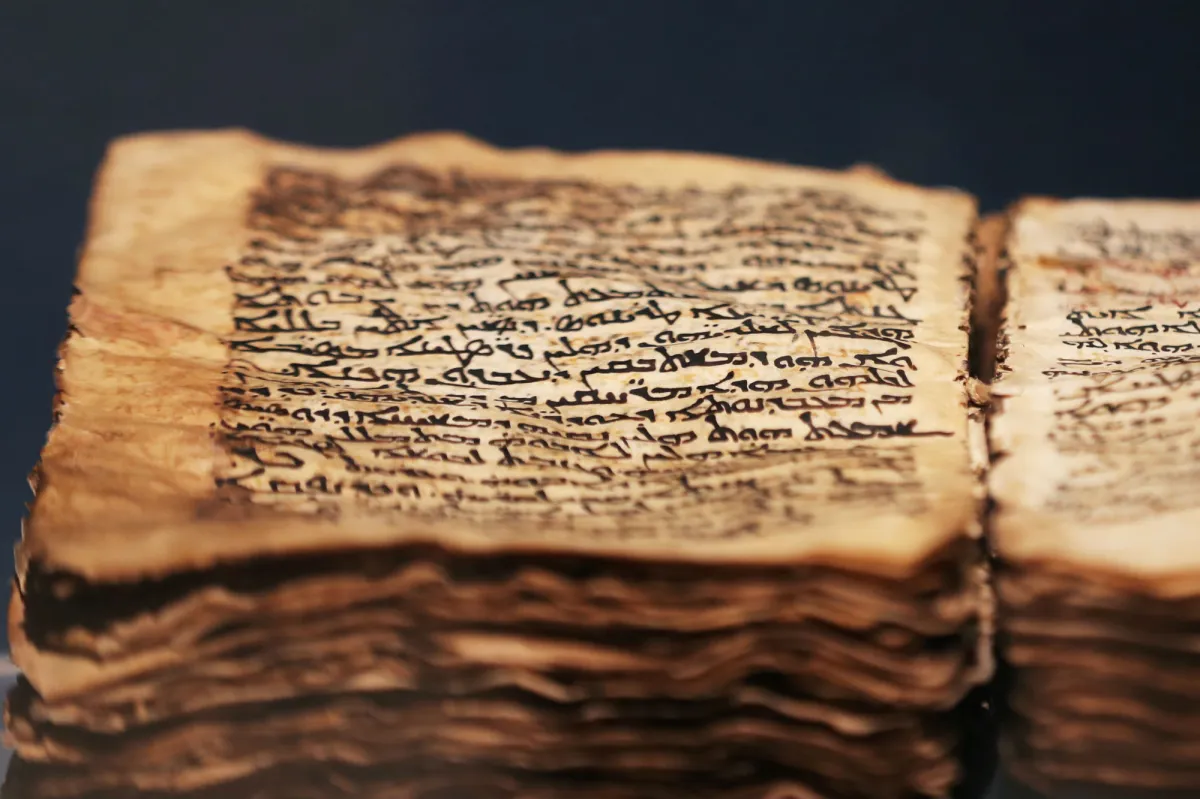
There’s something special about holding an ancient manuscript, feeling the texture of an old painting, or flipping through a weathered book. Digital copies, no matter how high-resolution, cannot fully replicate the sensory experience of physical artifacts.
Not everyone has access to digital technology. Socioeconomic factors, limited internet access, and technological literacy gaps mean that some communities are left behind in the digital revolution. Ensuring access to digital information is a challenge that needs to be addressed.
While digital archives reduce physical storage needs, maintaining them requires ongoing investment in servers, cloud storage, and cybersecurity. Digital preservation isn’t as “free” as it might seem.
Digital representation is a game-changer in how we store, access, and interact with information. It has preserved historical records, increased accessibility, and provided incredible learning opportunities. However, challenges such as security risks, technological obsolescence, and the loss of tangible experiences must be carefully managed.
As we continue to digitize the past and embrace the digital future, finding a balance between technology and tradition will be key to ensuring that knowledge remains accessible, authentic, and well-preserved for generations to come.
What are your thoughts on digital representation? Do the benefits outweigh the challenges?