
Everything in the world can be categorized as either digital or analog. Analog refers to systems that use continuous signals, like the smooth motion of a mercury thermometer or the gradual movement of a non-electrical clock’s hands. Before the digital revolution, most devices were analog—landline telephones, film cameras, and vinyl records all functioned on continuous, variable signals.
But digital systems are different. They rely on discrete, countable states to encode and process information. When most people hear the word “digital,” they think of smartphones, computers, and the internet. However, the concept of digital extends far beyond modern technology. Some of the most fundamental aspects of life are inherently digital.
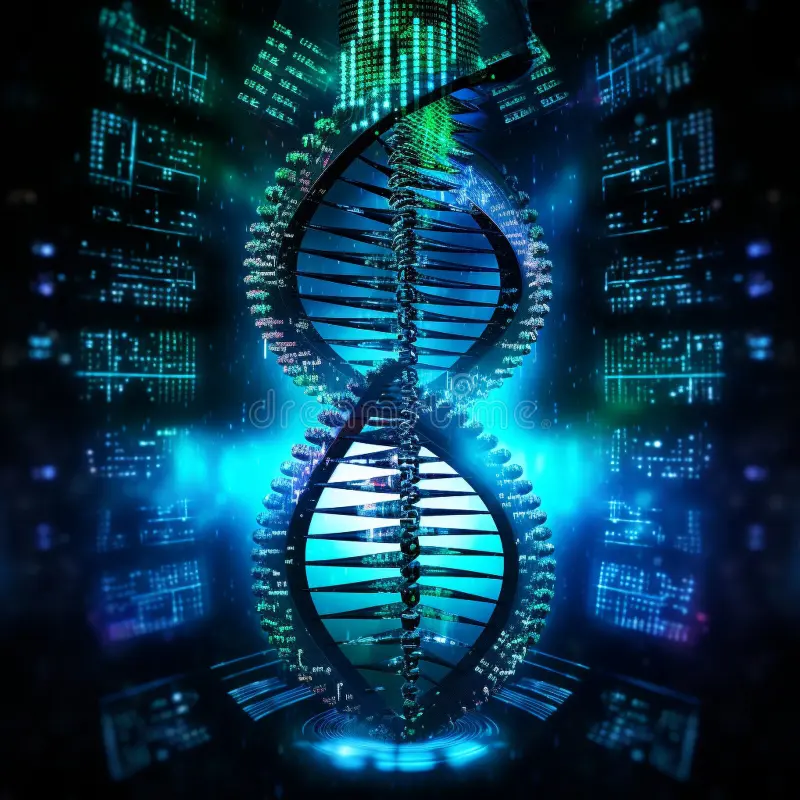
One of the most unexpected examples of digital information is human DNA. DNA functions as a biological code made up of four nucleotide bases: A (adenine), T (thymine), C (cytosine), and G (guanine). These four bases are like the letters of a genetic alphabet, forming sequences that define our genetic traits.
Like digital data, DNA is discrete and countable. A DNA sequence doesn’t have an in-between state between A, T, C, and G—each position in the genetic code is occupied by one of these four options, just as digital files store data using structured bits of 0s and 1s. This digital structure allows DNA to be copied, stored, and even edited with extreme precision, much like how we manipulate computer files today.
Just as DNA encodes genetic information in a finite set of symbols, the alphabet encodes language in a digital format. The alphabet is digital because it consists of a limited, countable number of characters. Whether it’s the 26 letters of the English alphabet or the thousands of Chinese logographic characters, each symbol exists in a discrete, recognizable form—there is no halfway point between the letter “A” and the letter “B.”
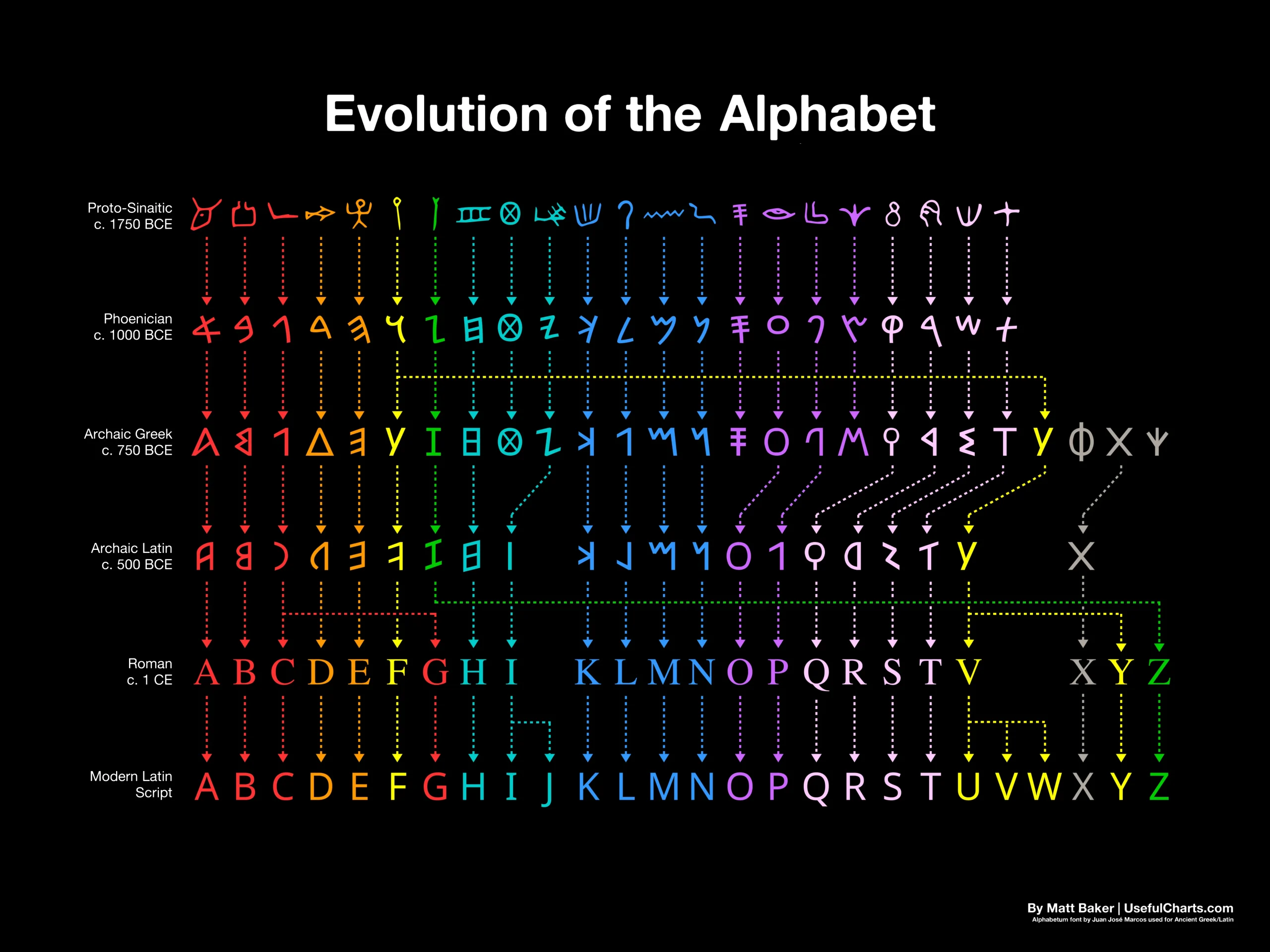
This digital nature makes language easier to communicate, store, and reproduce. Written texts, books, and digital speech recognition software function efficiently because they rely on this structured, countable system. Without it, human communication as we know it would not exist.
To be digital is to exist in a format with distinct, countable states
– Professor Al Cutting
Whether it’s the letters of the alphabet, the sequences in human DNA, or the structured bits of a digital file, the core essence of digital information is discreteness. As we continue advancing into a digital age, understanding this fundamental principle helps us appreciate the deep connection between technology, biology, and human communication.
The next time you’re at school, work, or just running to the store, try and find something in your daily life like a traffic signal or a car and ask yourself, is it digital?
Learn more about…
Our Digital Nature
https://www.nature.com/articles/nature01410
This post was created using ChatGPT-4o
First Prompt 3/2/25
Can you rewrite this…
“In this world, everything can be sorted into one of two categories. Digital or analog. Analog, being the opposite of digital, refers to devices that use a continuous signal to transfer information. Before the age of the internet, most devices were analog. Some examples being the mercury thermometer, non-electrical clocks, and landlines.
When we hear the word “digital”, I’m sure most people think of smartphones, computers, and even the internet itself. But what if I told you that the concept of being digital extends far beyond modern technology? In fact, some of the most fundamental aspects of our lives are digital. For something to be digital, it must have a discrete, countable number of states. This definition challenges the way we see not just technology, but life itself. It also puts into perspective the number of things in our world that we could consider digital.
One of the most surprising examples of digital information is human DNA. DNA functions as a biological code composed of four distinct nucleotide bases: A (adenine), T (thymine), C (cytosine), and G (guanine). These four bases serve as a finite set of building blocks, arranged in specific sequences that determine our genetic traits.
Much like a computer program, DNA carries instructions in a structured, countable format. There are no in-between states between A, T, C, and G—each position in a DNA sequence contains one of these four options, just as digital data is stored in discrete bits of 0s and 1s. This digital nature allows DNA to be copied, stored, and even edited with precision, much like how we manipulate digital files today.
Just as DNA encodes genetic information in a finite set of symbols, the alphabet does the same for language. The alphabet is digital because it consists of a predefined, countable set of characters. Whether you’re using the 26 letters of the English alphabet or the thousands of characters in a logographic system like Chinese, each letter or symbol exists in a discrete, recognizable form—there are no halfway letters between “A” and “B.”
This digital nature allows for efficient communication, storage, and reproduction of written language. Books, signs, and even speech-to-text systems function because the alphabet operates in a structured, countable way, much like digital code.”
Human DNA being digital was fact checked using the link provided above.